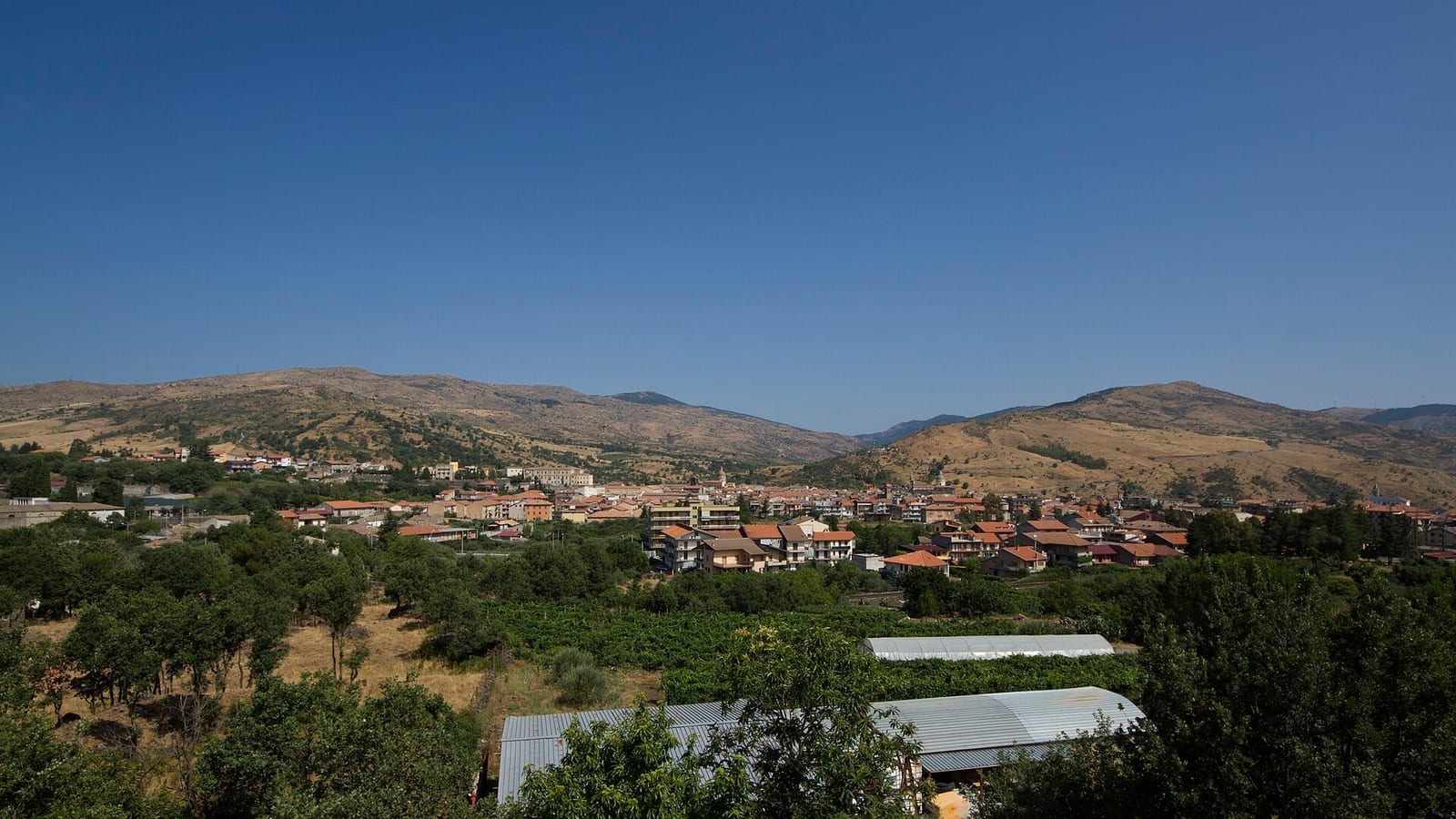
The lava-stone city
Randazzo is one of the most distinctive cities in eastern Sicily, but also one of the least touristic relative to its level of interest. Its most immediate peculiarity is the architecture: the entire historic centre is built in black lava stone, with walls, towers, churches and palaces creating a chromatic effect hard to find elsewhere. The effect is already noticeable from the motorway or the SS 120, when the village’s profile stands out against the northern flank of Mount Etna.
Historically, Randazzo has been one of the most important centres of the upper Alcantara Valley and northern Etna. Under Frederick II it was a stop on the itinerant court; under the Aragonese it was the informal capital of the area. Today it is the most populous town in the Alcantara Valley (over 10,000 inhabitants), but it preserves a historical atmosphere that larger cities have often lost.
Three mother churches: a unique case
What makes Randazzo truly special from a religious-historical point of view is that it has three mother churches:
- Santa Maria (the oldest, of Norman origin);
- San Nicola (rebuilt several times, houses notable paintings);
- San Martino (historically tied to the Provençal-speaking community).
The reason is that Randazzo was divided into three quarters inhabited by different ethnic and linguistic communities, Greek, Latin and Provençal, each with its own religious centre. It is a virtually unique situation in Italy and tells of the complexity of medieval Sicily, particularly after the migrations promoted by the Normans and the Hohenstaufens.
What to see
Walls and Aragonese Gate
The historic walled enclosure is partly preserved. The Porta Aragonese is the symbolic entrance to the centre and one of the best-preserved historic gates.
Tower of King Roger
An important example of Norman military architecture, part of the city’s medieval defensive system. Worth noting for those interested in the history of fortifications.
Historic centre
Narrow lanes, noble palaces, religious shrines. The walk through the centre is a unique visual experience: everything is black, with white-stone or plaster decorations standing out by contrast. The best hours are before sunset, when the raking light kindles the stones.
FCE station
The Ferrovia Circumetnea is the picturesque narrow-gauge line that loops around Mount Etna. Randazzo is one of the main stations. Even a short trip towards Bronte or Linguaglossa is a remarkable panoramic experience.
How to get there
- From Taormina/Giardini-Naxos: ~50 km, ~60 minutes via SS 185 + secondary roads.
- From Catania: ~70 km, ~80 minutes via SS 121 / SS 120 (passing Bronte).
- From Mojo Alcantara: ~10 km, 15 minutes.
- By train: the Circumetnea connects Randazzo to Catania (change at Riposto possible for the FS network).
When to go
- Spring-autumn: ideal weather for walking the historic centre.
- Summer: good for morning visits; in the central hours the lava stone accumulates heat.
- Winter: with snow on Mount Etna in the background, the photography is exceptional; some services may be reduced.
What to combine
- Morning in Castiglione + afternoon in Randazzo: two complementary medieval villages.
- Randazzo + Mojo Alcantara: for combining historic city and geology (Vulcanetto).
- Northern Etna tour: Randazzo is the natural base for travelling the northern slope of Mount Etna (Linguaglossa, Piano Provenzana).
- Wine tour: the area has important Etna DOC wineries, easily integrated into a day.
Practical tips
- Comfortable shoes: the paving is in lava stone and uneven in places.
- Parking: free and paid areas at the edges of the historic centre.
- Bars and restaurants in the centre for lunch.
- Wineries: book in advance on weekends in September-October.
- Guided visit: to grasp the complexity of the three mother churches, a local guide makes the difference.